

news
Leonel Fernández: “Understanding This New Reality of Global Power Is a Strategic Necessity”
September 23, 2026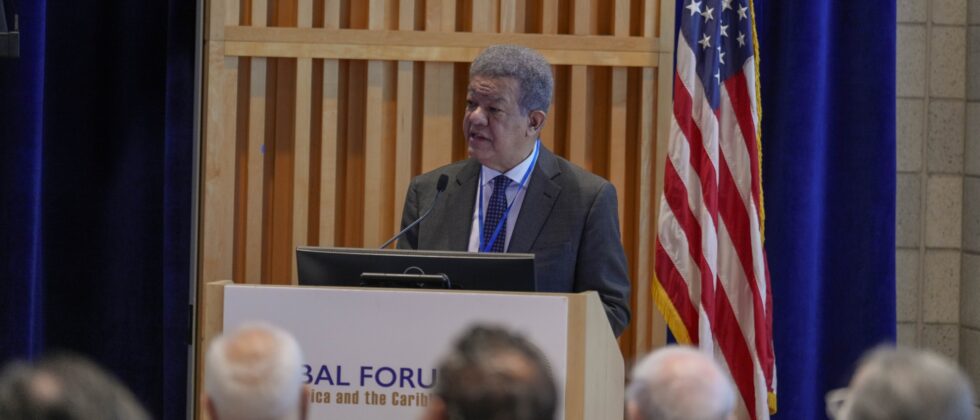
The President of Funglode and former President of the Dominican Republic opened the VIII Global Forum on Latin America and the Caribbean at Columbia University, bringing together international experts to examine geopolitical fragmentation, the global economy, artificial intelligence, democracy, elections, and the Latino vote.
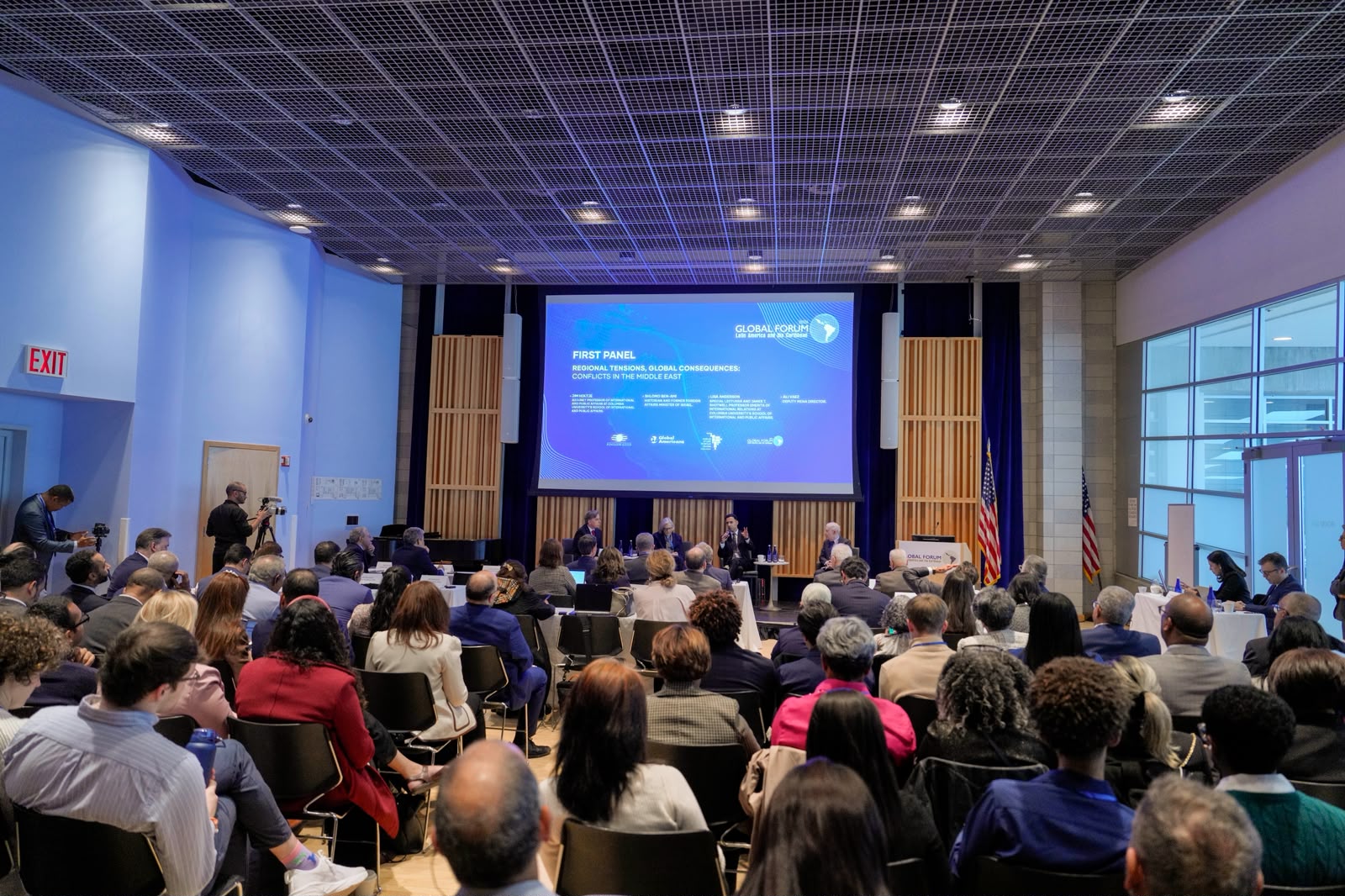
New York. — Fundación Global Democracia y Desarrollo (Funglode) and the Global Foundation for Democracy and Development (GFDD) officially opened the VIII Global Forum: Latin America and the Caribbean on Wednesday under the theme “Latin America and the Caribbean in a Transforming World.” Held at Lerner Hall at Columbia University, the event brought together prominent academics, economists, international relations experts, and representatives of multilateral organizations.
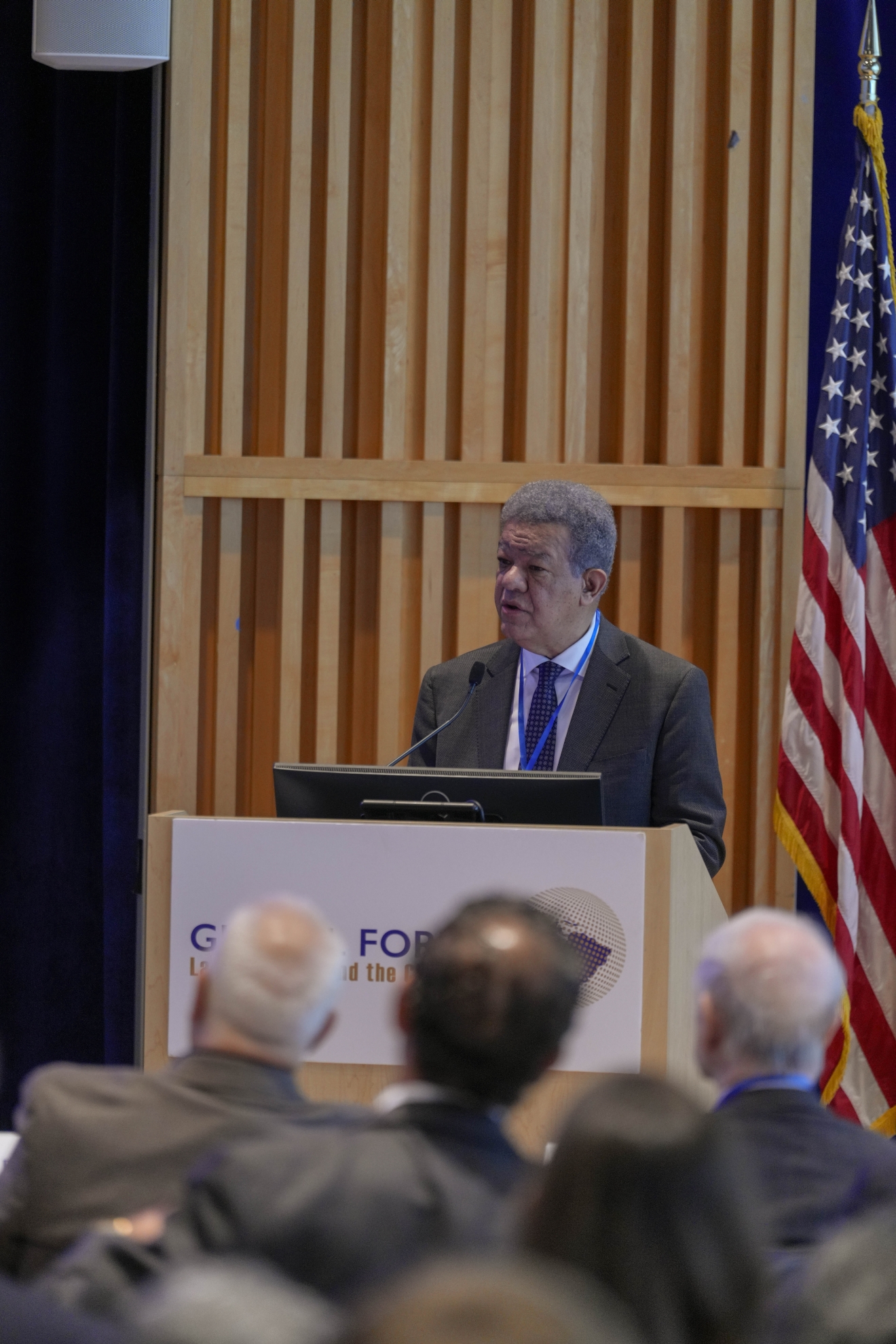
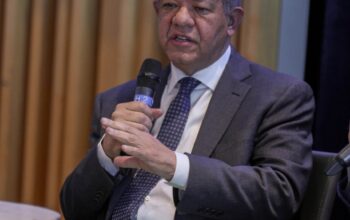
During the opening session, Dr. Leonel Fernández, President of Funglode and former President of the Dominican Republic, warned that the world was experiencing “a moment of geopolitical fragmentation and political polarization” unprecedented since the end of the Cold War, and argued that international conflicts could no longer be regarded as isolated phenomena.
“Understanding this new reality of global power is not merely an academic exercise, but also a strategic necessity for any nation seeking to safeguard its own development,” Fernández said.
Fernández stated that the international landscape is characterized by growing competition among major powers, increasing institutional fragility, and a transformation of economic relations. He also noted that conflicts in the Middle East and between Russia and Ukraine are having repercussions on energy markets, trade routes, food prices, and investor confidence.
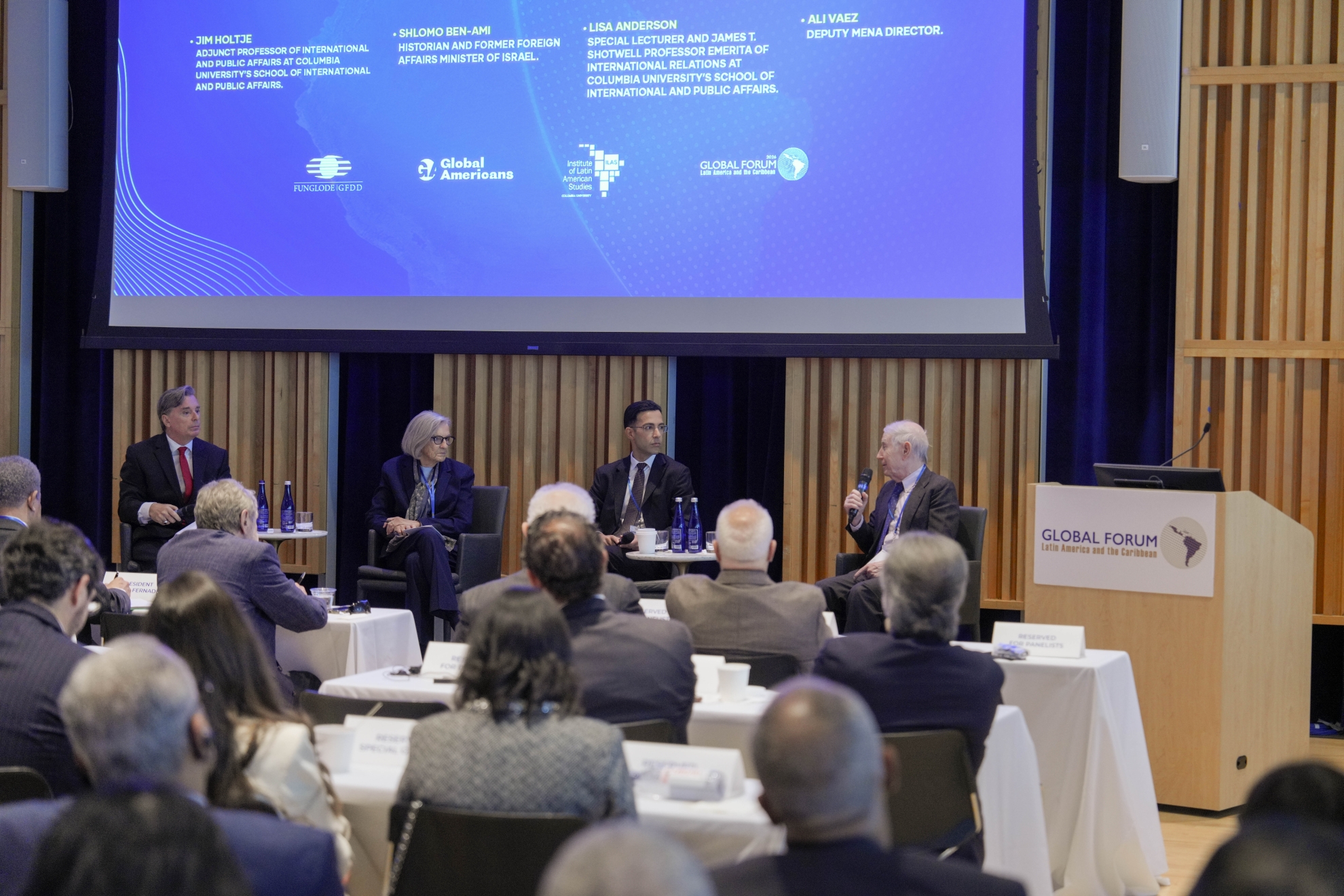
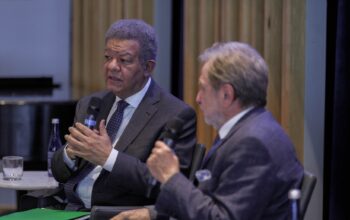
The first panel examined regional tensions and their global consequences, with the participation of Shlomo Ben-Ami, Lisa Anderson, and Ali Vaez, who addressed the implications of conflicts in the Middle East. The agenda continued with an analysis of the global economy and its outlook, including slowing economic growth, fiscal pressures, trade protectionism, and the possibility of entering a new phase of deglobalization.
Technology also occupied a central place in the discussions. Fernández emphasized that artificial intelligence is not simply a new tool, but rather a “structural transformation comparable in scope to that brought about by the Industrial Revolution,” with the potential to reshape the competitiveness of nations and the global distribution of prosperity in the decades ahead.
The keynote address was delivered by Shari Spiegel, Director of the United Nations Financing for Development Office, while the program also included a panel on the opportunities for Latin America and the Caribbean in a changing global economy, featuring experts such as José Antonio Ocampo, Andy Dauhajre, and Francisco Rodríguez, among other participants.
The political component of the Forum addressed Latin America’s 2026 electoral processes, a year in which a significant share of the region’s population will go to the polls. Fernández stated that this electoral cycle would serve as a test of institutions’ ability to guarantee “the peaceful and transparent transfer of power in accordance with the rule of law.”
The discussion also addressed the role of the Latino vote in the United States midterm elections, scheduled for November 3, 2026, with the participation of Eduardo Gamarra, Catherine Pichardo, Mark Hugo Lopez, and David Pakman, who examined its potential implications for U.S. politics and hemispheric relations.
César Fernández, Director of Funglode’s Engineering Center, highlighted the significance of this eighth edition of the Forum and the breadth of an agenda that brought together discussions on conflicts in the Middle East, democracy, electoral processes, the Latino vote, and the global economy.
Created and promoted by Leonel Fernández, the VIII Global Forum continued the work of an initiative that, throughout its seven previous editions, has fostered pluralistic, high-level dialogue on the economic, democratic, social, and geopolitical challenges facing Latin America and the Caribbean.
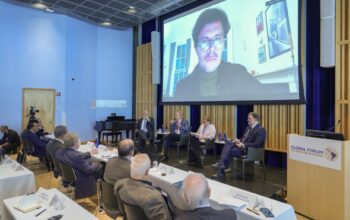
The 2026 edition was supported by Columbia University’s Institute of Latin American Studies (ILAS) and Global Americans, and was held in a hybrid format, with the event also broadcast through digital platforms.
Concluding his remarks, Fernández summarized the purpose of the gathering by noting that the Forum did not seek to offer “easy certainties,” but rather to create a space where ideas could be confronted, perspectives could be tested, and, above all, participants could “build together.”
From the academic heart of New York City, the VIII Global Forum thus opened a conversation that extends beyond its panels: understanding the transformations reshaping the world so that Latin America and the Caribbean are not merely spectators of the emerging global architecture, but actors capable of participating in its construction.
You might also like...

New York
780 Third Avenue 19th Floor
New York, N.Y. 10017
T: 212.751.5000
Activities
The Foundation conducts research, enhances public understanding, designs public policies, devises strategies, and offers capacity building in areas crucial to social, economic, democratic and cultural sustainable development.