

news
VIII Global Forum Highlights Latin America’s Strengths and Challenges Amid Global Change
September 24, 2026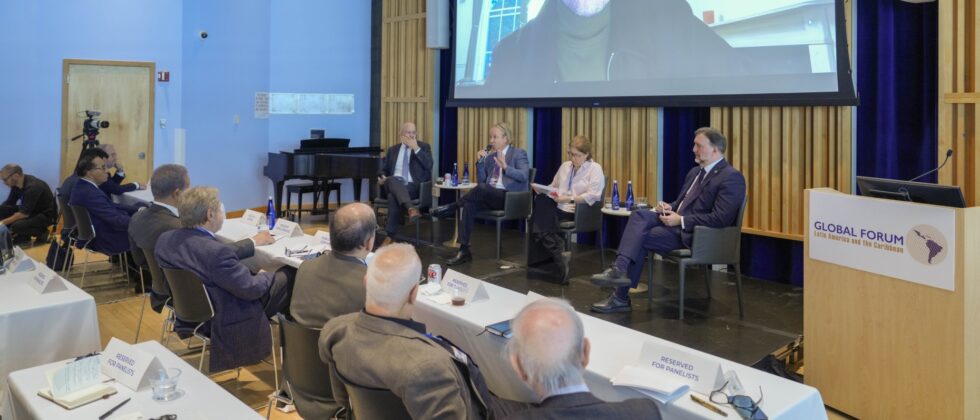
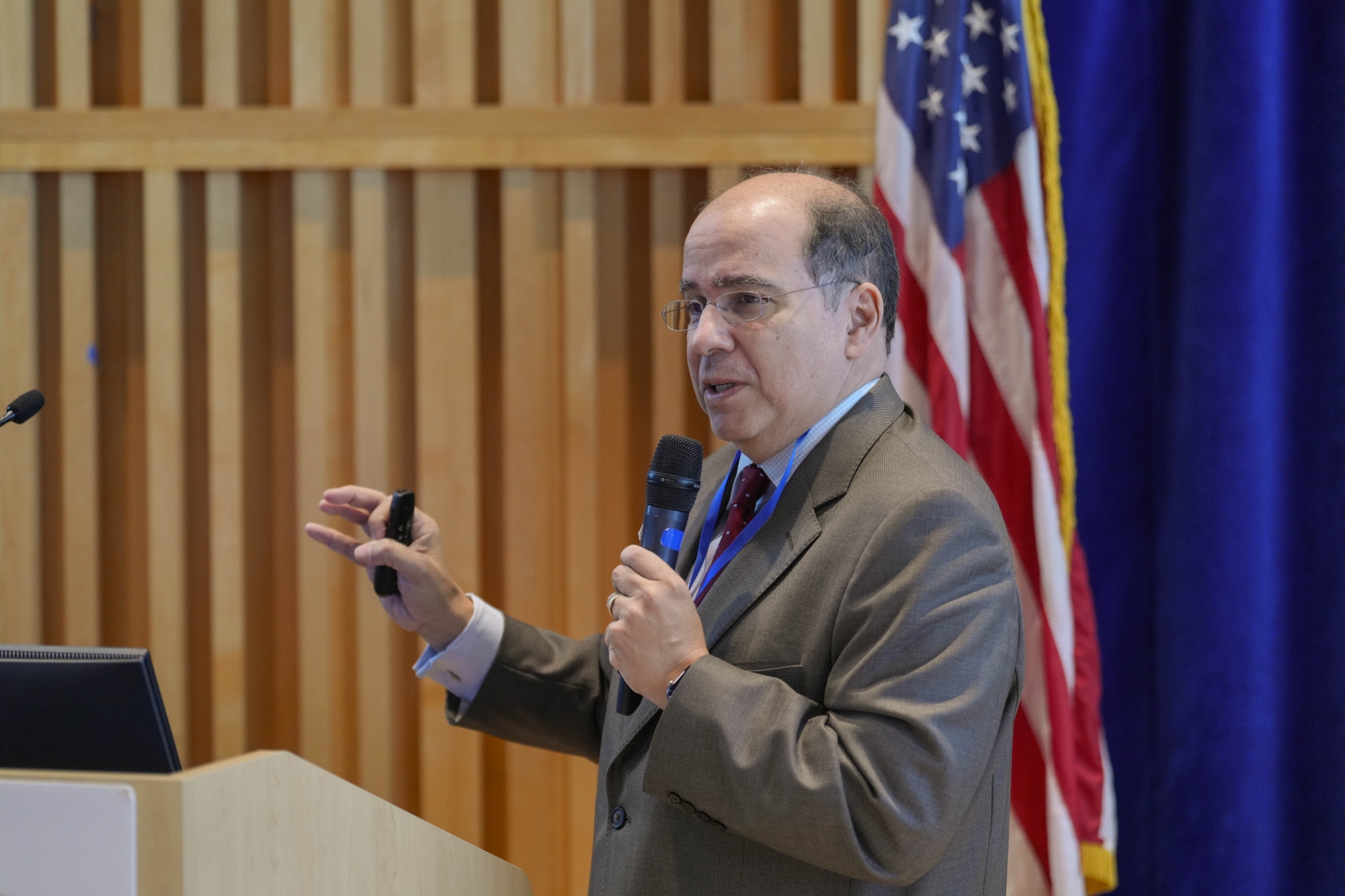
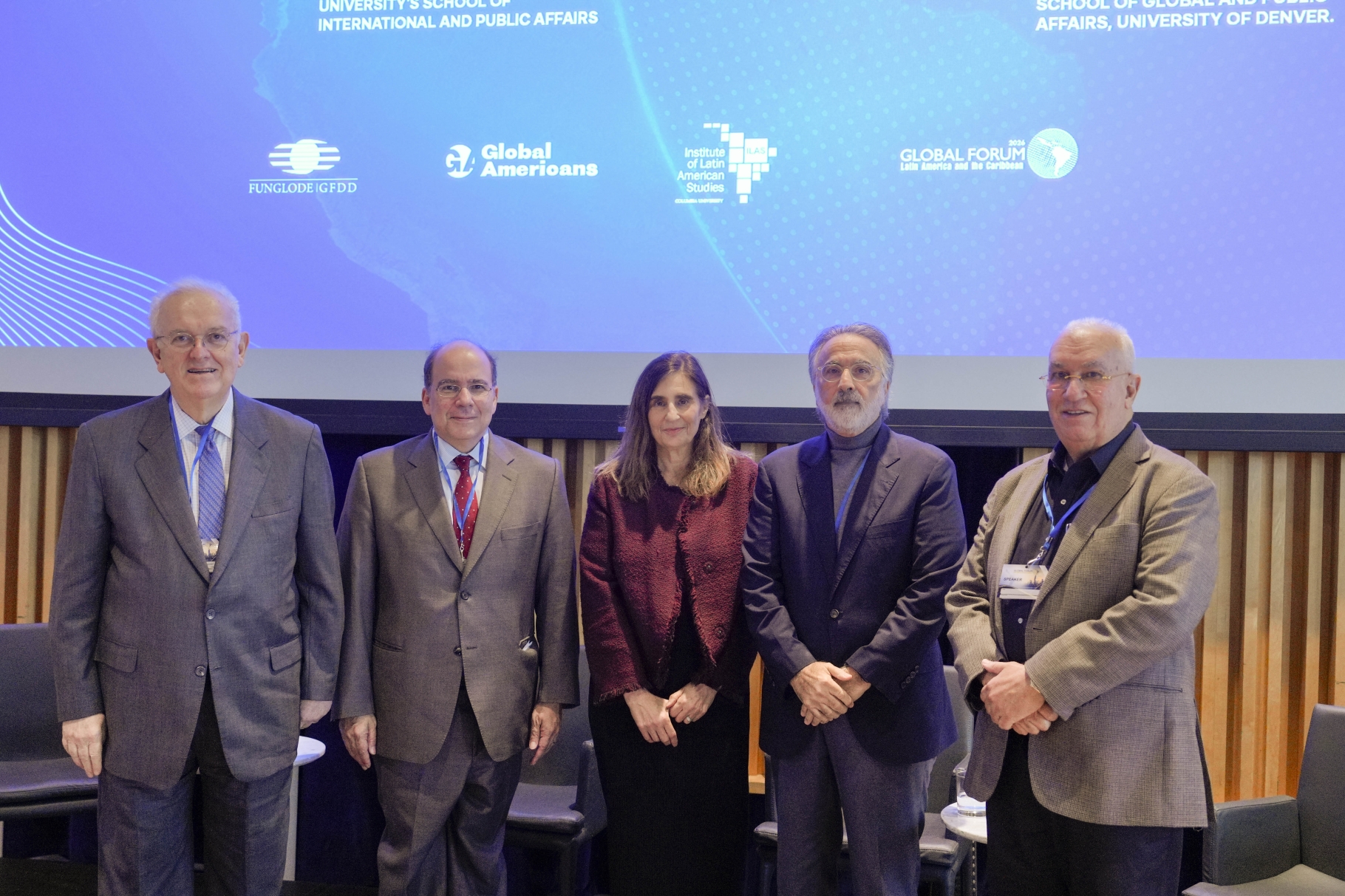
The VIII Global Forum: Latin America and the Caribbean, held Wednesday in New York, focused on the region’s strengths and challenges at a time of major global change driven by geopolitical tensions and the revolution in new technologies.
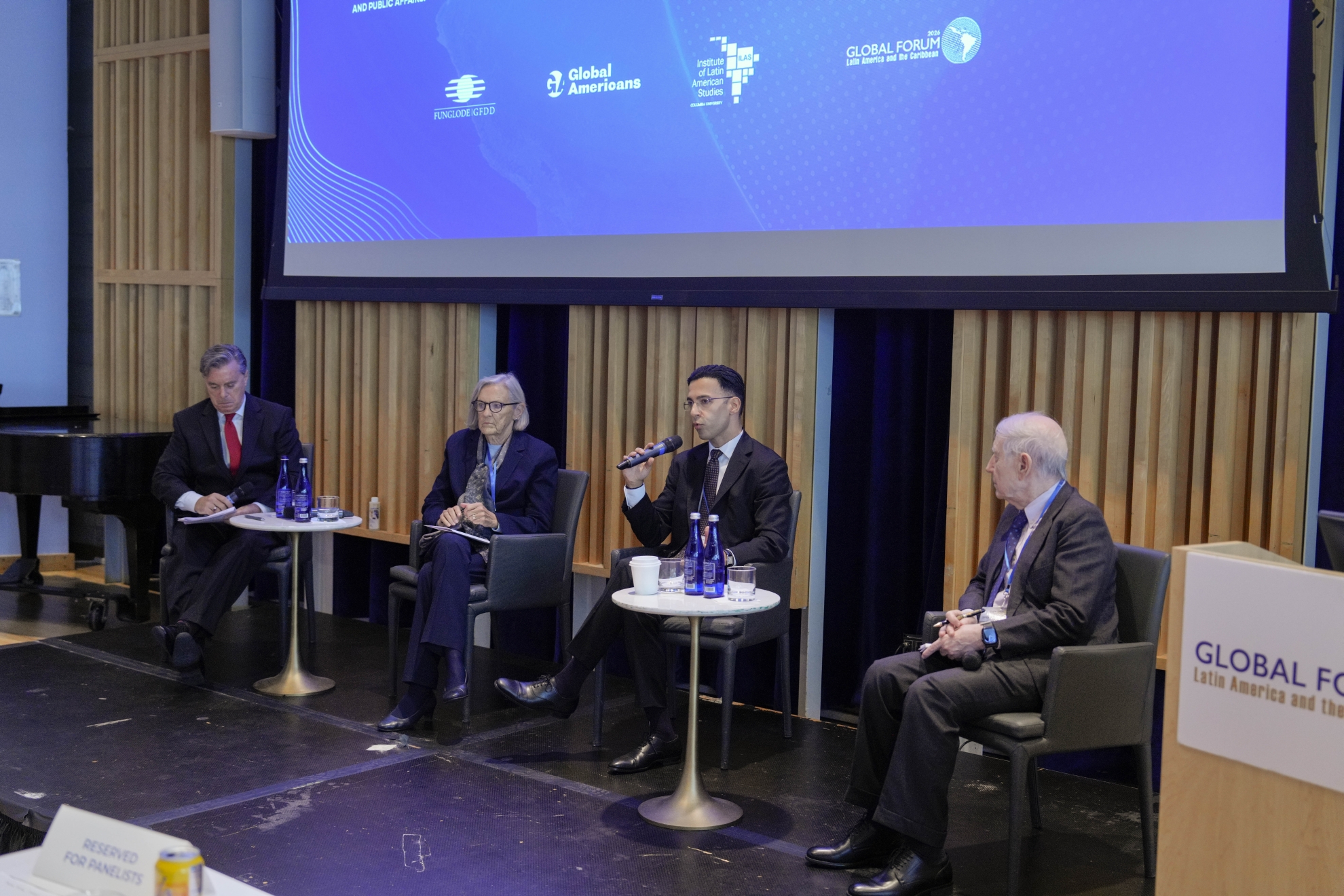
New York, Sept. 23 (EFE).- Across four panels, former political leaders, professors and other experts examined the current landscape of the Latino community in the United States, as well as the region’s role in a changing global economy, the international consequences of conflicts in the Middle East, and the electoral climate in several Latin American countries.
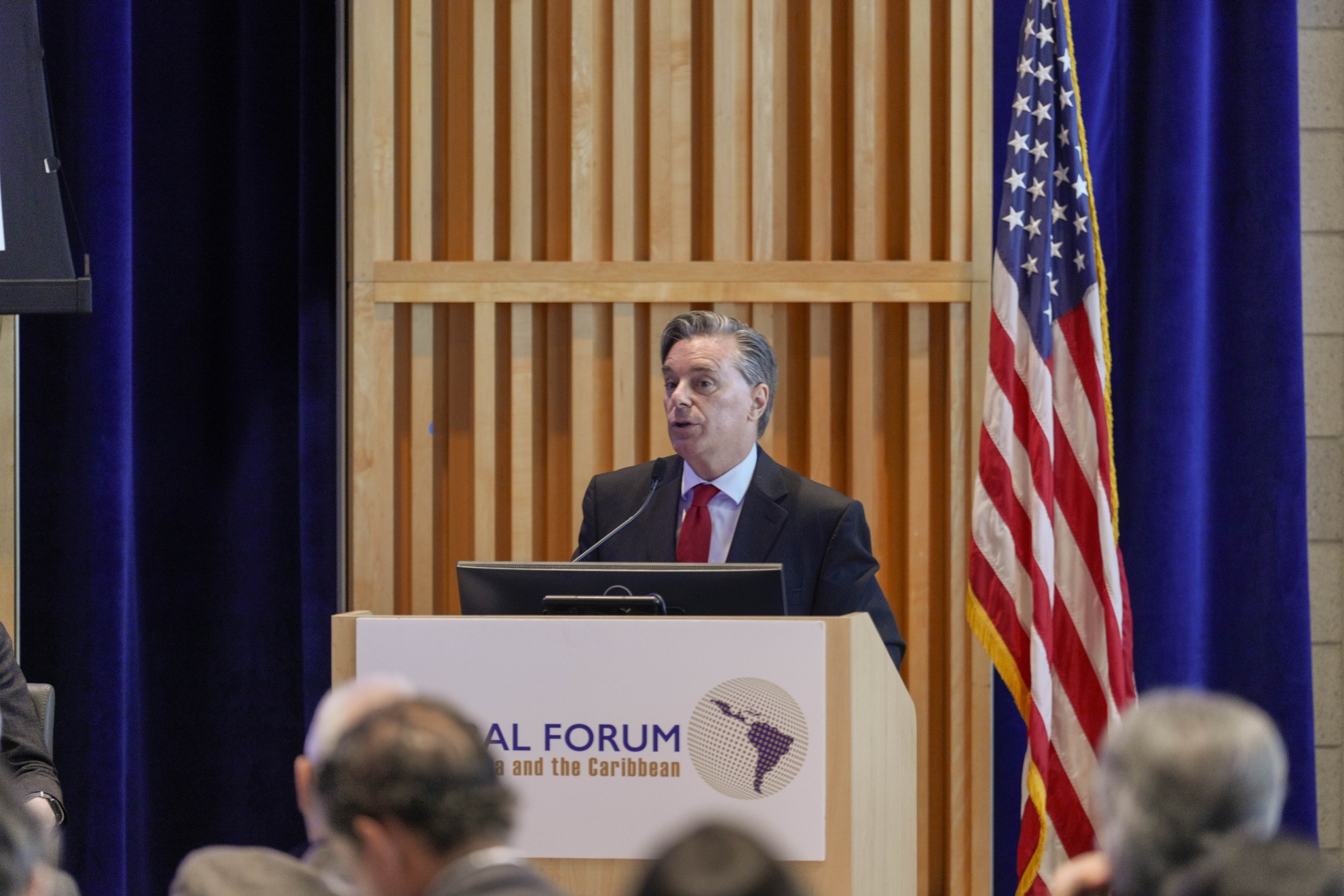
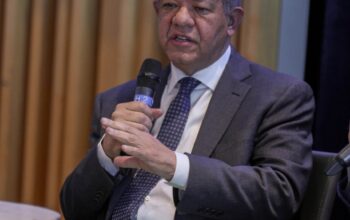
Former Dominican President Leonel Fernández, President of the Fundación Global Democracia y Desarrollo (FUNGLODE), which organizes the event, reiterated on Wednesday the important role played by the Latin American community in the United States, which he said has already become “the largest minority group.”
Strengths and Challenges
Spanish journalist Juan Luis Cebrián, former director of El País, said at the conclusion of the event that Latin America has “many problems, but it has no wars and, in addition, it has wealth,” adding that “there is an opportunity for the region if it knows how to take advantage of it.”
Those strengths and challenges highlighted by Cebrián were precisely the focus of many of the panels held during the Forum.
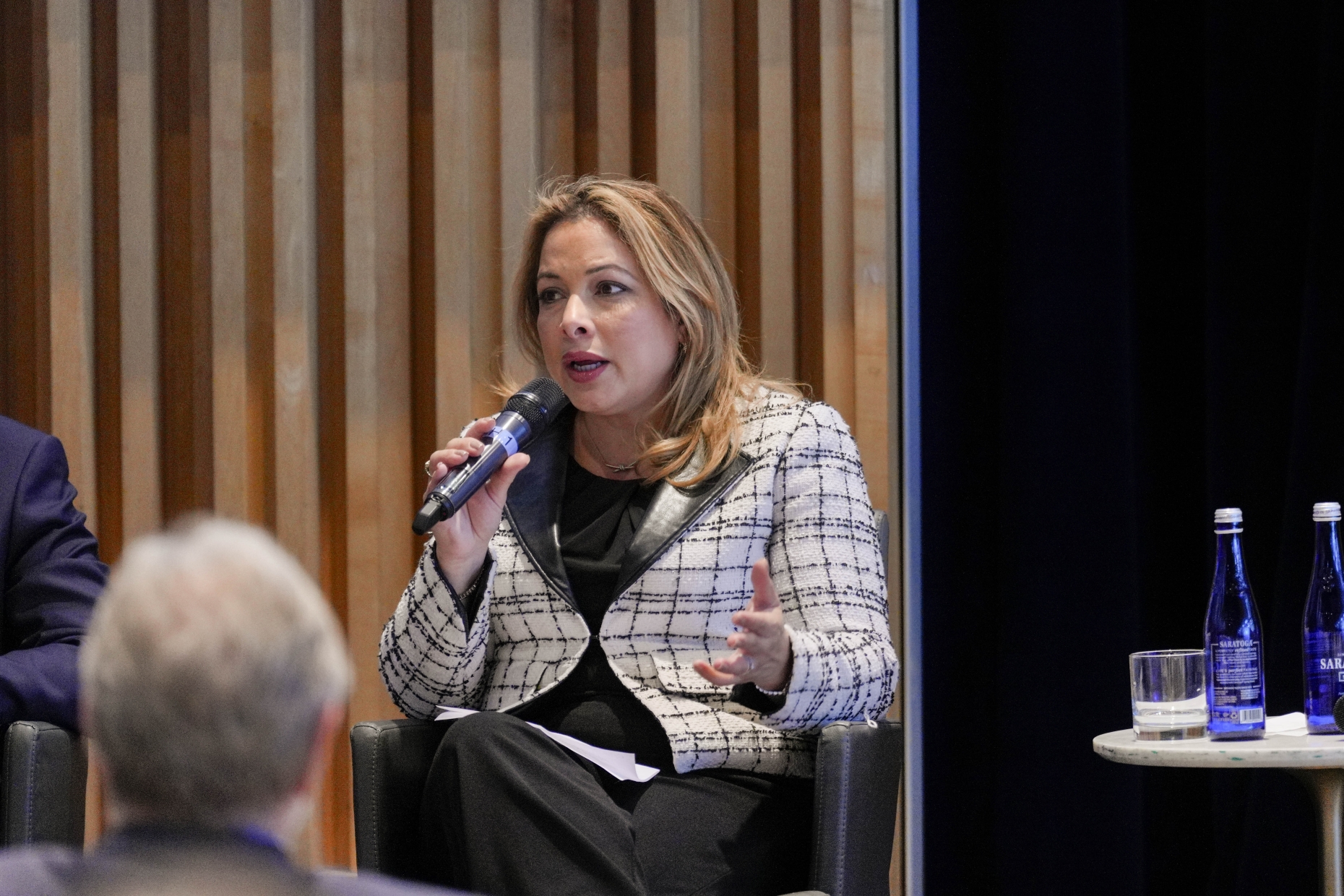
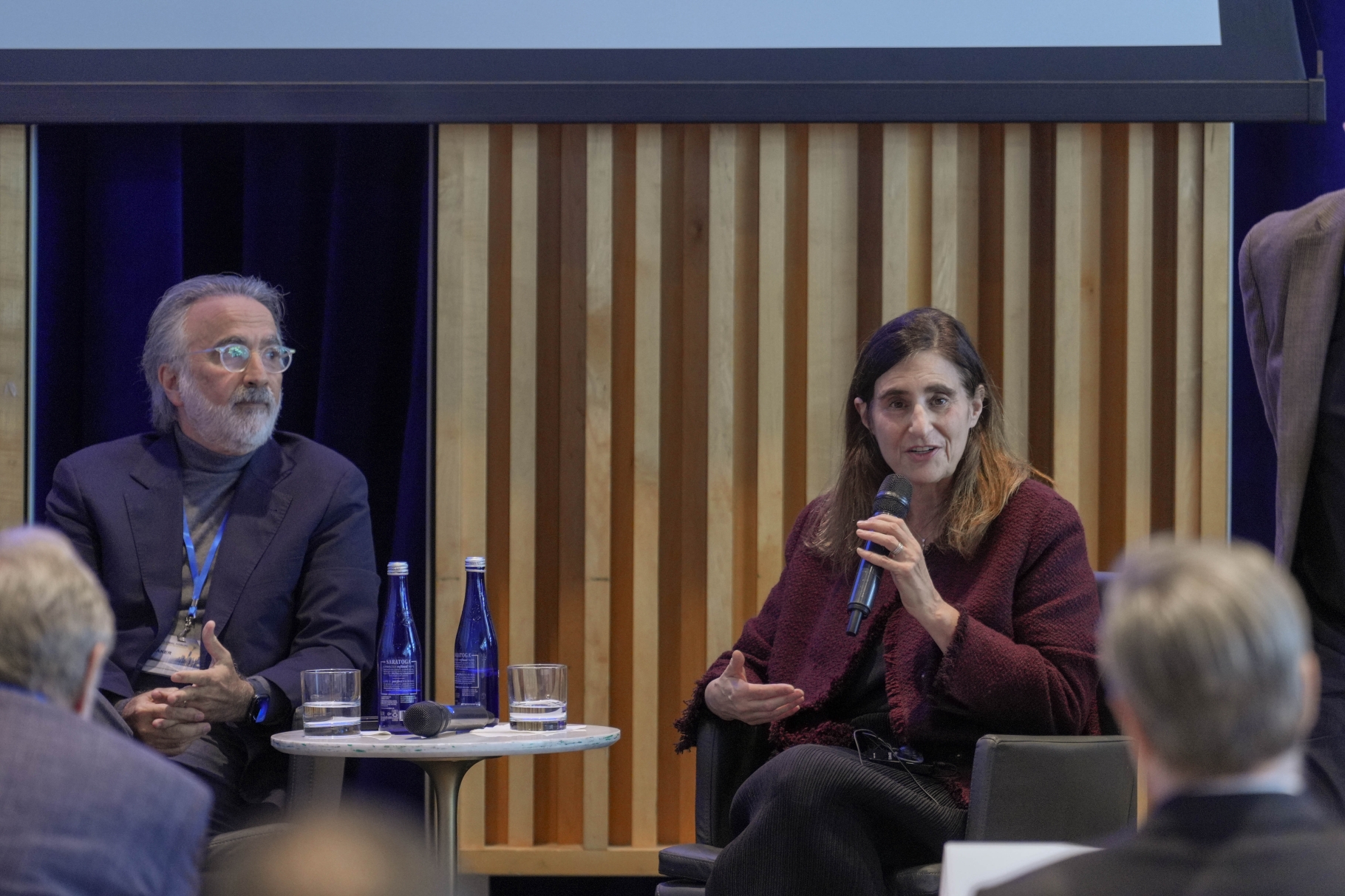
“All Latin American countries are facing a major crisis in citizen participation [in elections],” said Alejandra Barrios, National Director of Colombia’s Electoral Observation Mission (MOE Colombia).
Barrios linked this crisis to the disappearance of civil society organizations in Latin America that once provided support in this area, as well as to the distancing of institutions such as the European Union, “which today is preoccupied with Russia and Ukraine.”
“Today we do not have strong political parties, but rather individual populisms that construct narratives through social media, amplified by artificial intelligence (AI), which autonomously determines with their followers what the best policies for governing should be,” she added.
Political analyst Gonzalo Banda, meanwhile, spoke of widespread “dissatisfaction” with governments and highlighted the instability of some Latin American democracies.
“The only country where this does not happen is Uruguay, where political representation is more or less stable. But, of course, Latin American democracies do not tend to be quite so boring, in the responsible sense of the word,” he remarked.
Latinos in the United States
In the United States, meanwhile, the Latino vote could make a difference, for example, in the upcoming November midterm elections.
One of the main concerns among the Latino population in the country is President Donald Trump’s immigration policy, according to Katharine Pichardo, President and CEO of Latino Victory.
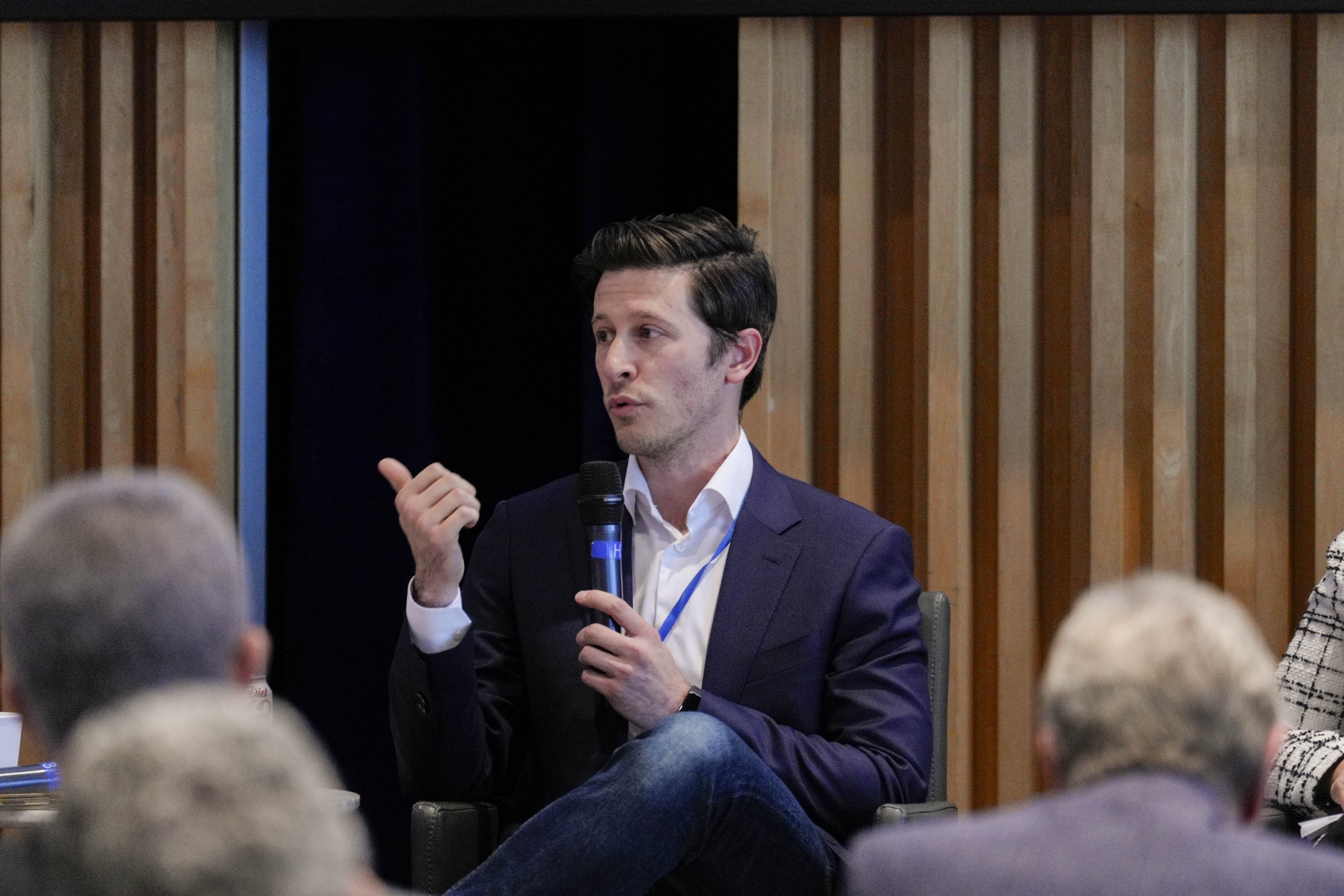
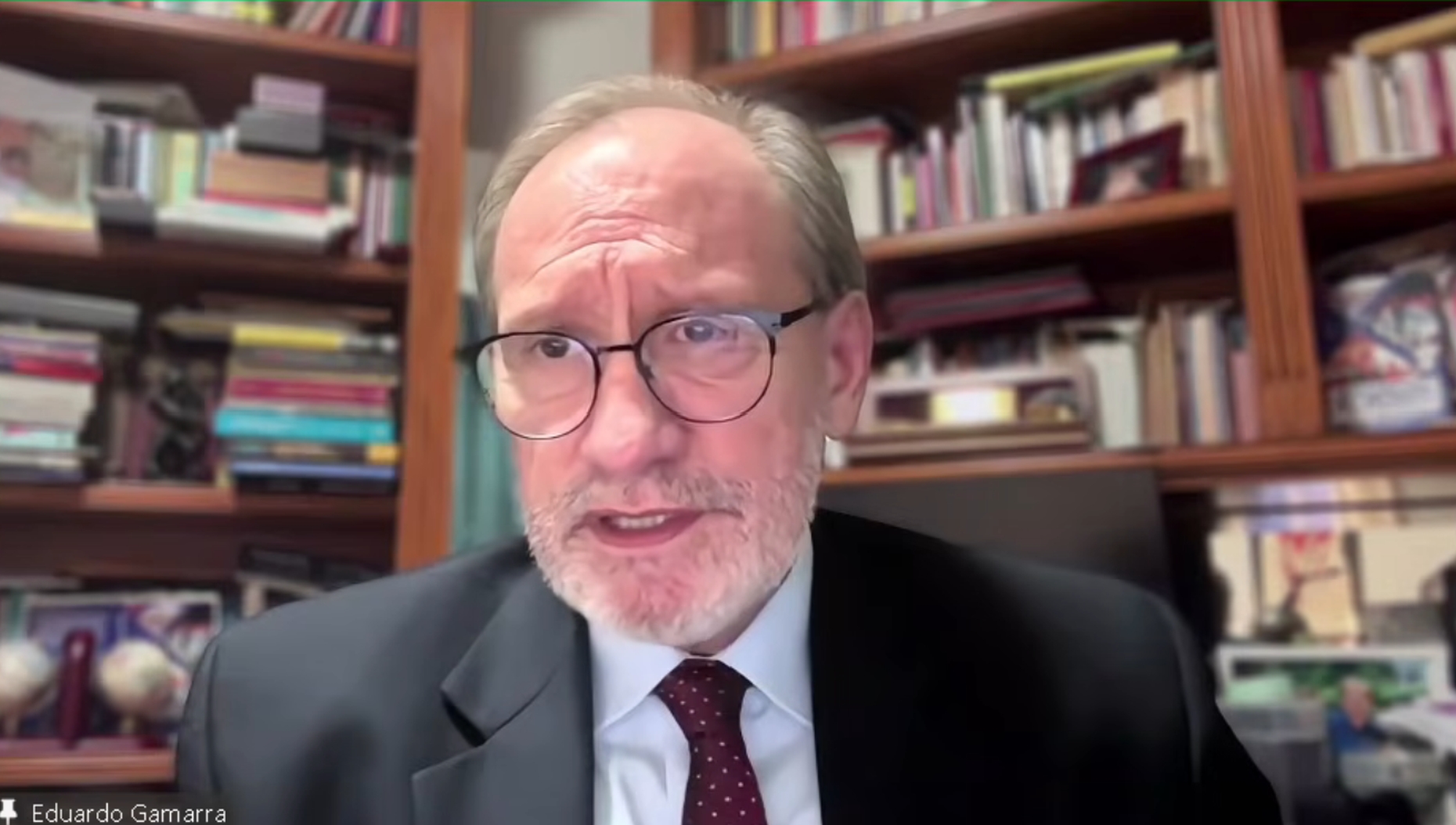
Eduardo Gamarra, Professor of Politics and International Relations at Florida International University, said he believed it was likely that there would be “a spectacular collapse of the 2024 Latino Republican coalition.”
He noted that in September, 54% of likely Latino voters supported Democratic candidates, while approximately 41% preferred Republican candidates.
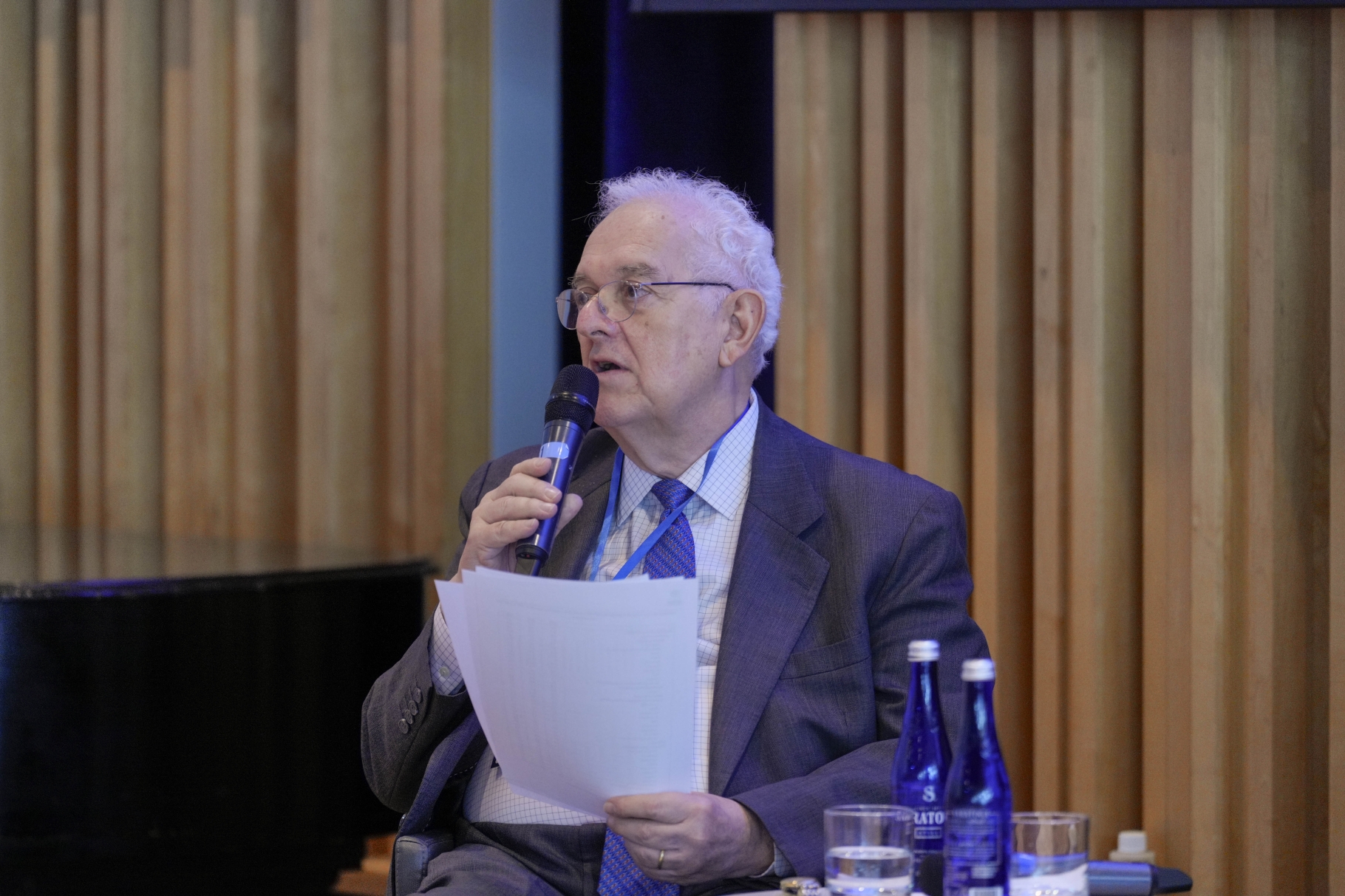
Mark Hugo Lopez, Director of Race and Ethnicity Research at the Pew Research Center, expressed a similar view:
“Many Latinos are more concerned about the possibility that they themselves, or someone they know, could be deported. In addition, an increasing number of Latinos are carrying their citizenship documents or passports with them to prove that they are legally in the country.”
EFE




You might also like...


New York
780 Third Avenue 19th Floor
New York, N.Y. 10017
T: 212.751.5000
Activities
The Foundation conducts research, enhances public understanding, designs public policies, devises strategies, and offers capacity building in areas crucial to social, economic, democratic and cultural sustainable development.